
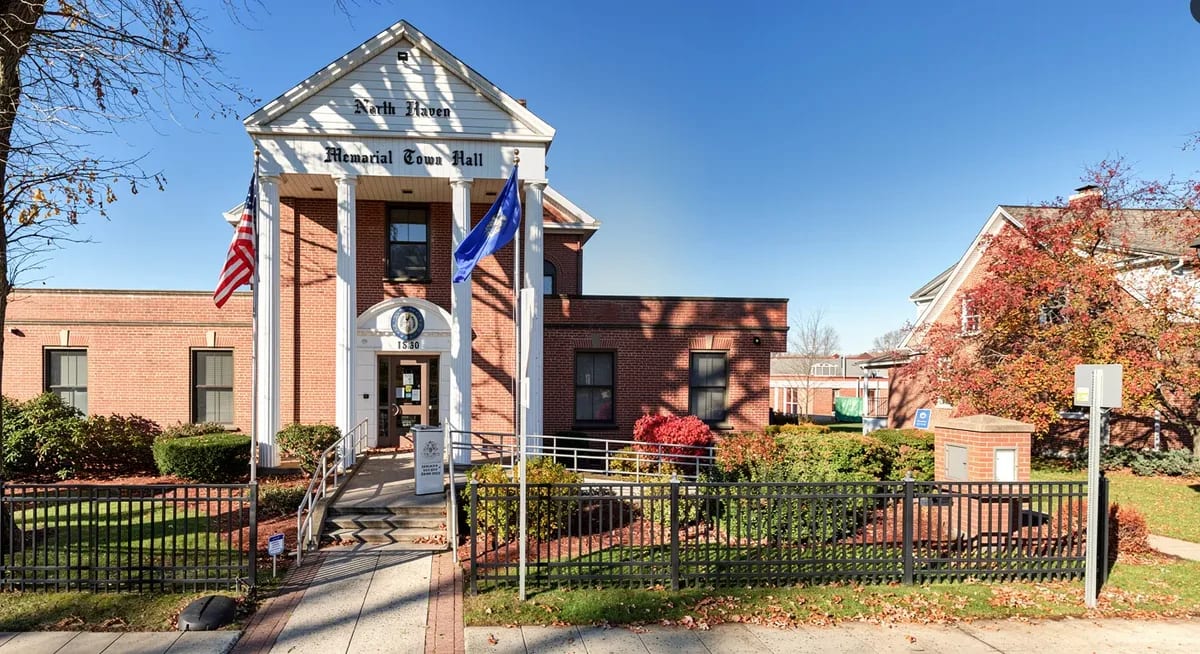
NORTH HAVEN, CT — Gov. Ned Lamont announced Tuesday at the North Haven fire department that a new statewide program will offer eligible first responders up to $25,000 in forgivable down payment and closing-cost aid, starting Nov. 16.
The First Responders’ Time to Own program extends the state’s existing Time to Own homebuying program. Lamont’s announcement, reported by CT News Junkie, says the Connecticut Housing Finance Authority will run it with the state housing department. The Connecticut Mirror reported that Public Act 26-12, which Lamont signed in June, includes the program; the broader law aims to boost first responder recruitment and retention.
Eligibility and How Assistance Works
CT News Junkie reported that the program is open to certified police officers, career and volunteer firefighters, and emergency medical personnel who are licensed or certified. Applicants must have served for at least two years and buy a home in the community they serve; it must be their primary residence.
The program is more flexible than the original. It drops the three-year Connecticut residency requirement and the housing expense ratio rules. It also replaces the 100% area median income cap with CHFA’s mortgage income limits, and buyers get a 0.125 percentage point cut in the interest rate on a CHFA first mortgage. Nandini Natarajan, CHFA’s executive director and CEO, called homeownership a source of stability and a way to build wealth.
Funding comes through the existing Time to Own program. Assistance is first-come, first-served, Housing Commissioner Seila Mosquera-Bruno said. The program opens about six weeks ahead of the Jan. 1, 2027 deadline set in the law, the Connecticut Mirror reported.
State Cites Staffing and Housing Pressures
Department of Emergency Services and Public Protection Commissioner Ronnell Higgins said at the North Haven event that Connecticut faces a shortfall of hundreds of police officers and troopers. A May 2025 report by Comptroller Sean Scanlon’s office found that statewide volunteer firefighter numbers had dropped more than 62% since 2017.
Scanlon tied that decline to housing costs. “They can’t afford to live in the places that they want to serve,” he said. Lamont said the program gives first responders a “stake” in the towns where they work. “Being part of the community is a big part of community policing,” he said.