
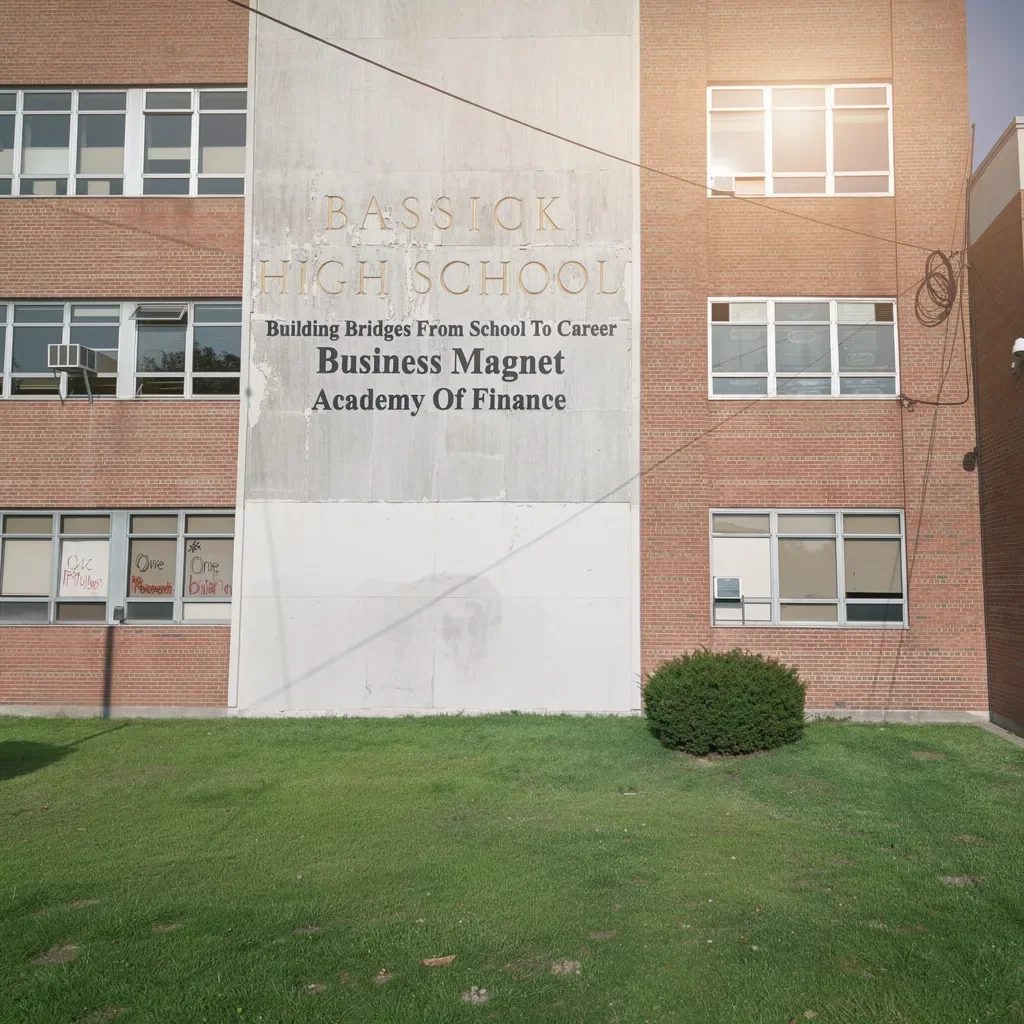
BRIDGEPORT, CT — Bridgeport Board of Education Vice Chair Joseph Sokolovic estimates that the sample changes to Connecticut's school-aid formula now before a state commission would still leave the district nearly $17 million short in the 2027-28 school year, he wrote in an opinion piece published Friday, Oct. 2, by The Connecticut Mirror.
The figures are his own estimates, built on the commission's sample scenarios rather than on any plan the state has adopted.
A $40 million need, $23 million in new aid
Bridgeport, with about 20,000 students, stands to lose an estimated $25 million in one-time revenue in 2027-28 and roughly $15 million in recurring cost increases, Sokolovic wrote in the Mirror. Together, he wrote, that is a $40 million need just to break even, before any new programs or services. "$40 million over last year is break-even; we won't even be able to purchase an additional pencil," he wrote.
The commission's sample scenarios raised the foundation amount in the Education Cost Sharing formula, which the state uses to divide school aid among cities and towns; widened its poverty weights; and added a weight for special education. If every one of those changes were adopted, Sokolovic estimated, Bridgeport would receive about $23 million more in recurring aid, leaving a gap of nearly $17 million.
He warned that phasing the increases in over several years would make the shortfall worse. "A district cannot pay this year's bills with funding promised in 2032," he wrote. He urged other urban districts, among them New Haven, Hartford, New Britain, New London, Waterbury and Meriden, to run their own numbers.
How the formula measures a town's ability to pay
The formula counts a community's property wealth at 70% and its income wealth at 30%, a split the commissioners have discussed revisiting, according to the Mirror piece. Sokolovic argued that the ratio should be closer to 50/50, "if not totally inverted." Several commissioners also questioned whether the foundation amount reflects what schools cost today, he wrote.