
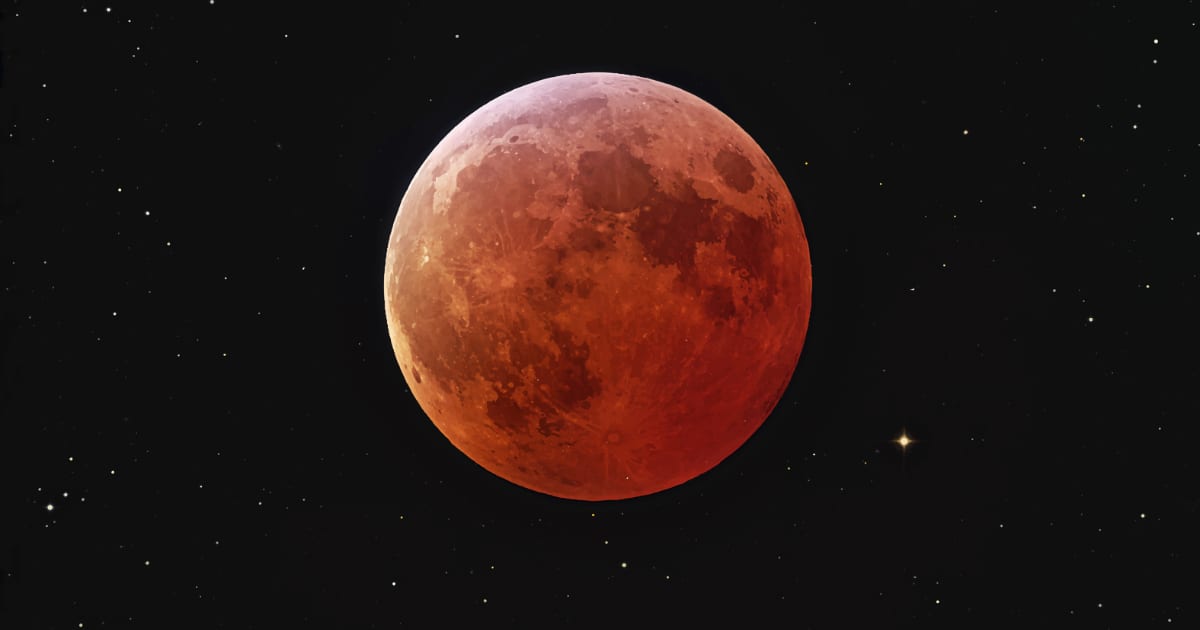
Connecticut residents who set their alarms early on March 3, 2026 had a narrow window to witness the only total lunar eclipse of the year — and the last one visible from the Americas until late 2028.
Totality, when the Moon turns its distinctive reddish color inside Earth's shadow, began at 6:04 a.m. EST. But from the Hartford and New Haven area, the moon set at approximately 6:24 a.m. — just 20 minutes into totality, and at almost exactly the same time as sunrise. Viewers who hoped to catch the full hour of the blood moon were out of luck; the clock and the horizon worked against Connecticut observers.
Why New Haven Was on the Eclipse's Edge
The March 3 eclipse was optimally visible from western North America, Australia, New Zealand, and East Asia. The East Coast of the United States was at the extreme eastern edge of the viewing zone. From Hartford, the eclipse had already been underway for more than two hours before totality began — the moon entered Earth's penumbra at 3:44 a.m. and the partial phase began before 5 a.m. — but the key totality window aligned almost precisely with moonset and sunrise.
The maximum eclipse point — when the moon sat deepest in Earth's shadow — occurred at 6:20 a.m. from Hartford, according to timeanddate.com. The moon disappeared below the western horizon by 6:24 a.m.
Cloud Cover Further Limited Viewing
Beyond the tight window, cloud cover over much of Connecticut on the morning of March 3 presented an additional obstacle for skywatchers in the New Haven area. Some observers in northern parts of the state reported being able to see the moon briefly through breaks in the clouds.
Even under clear skies, the low angle of the moon above the western horizon would have made viewing from urban areas like New Haven difficult, as buildings, trees, and terrain can obstruct the view at those elevations.