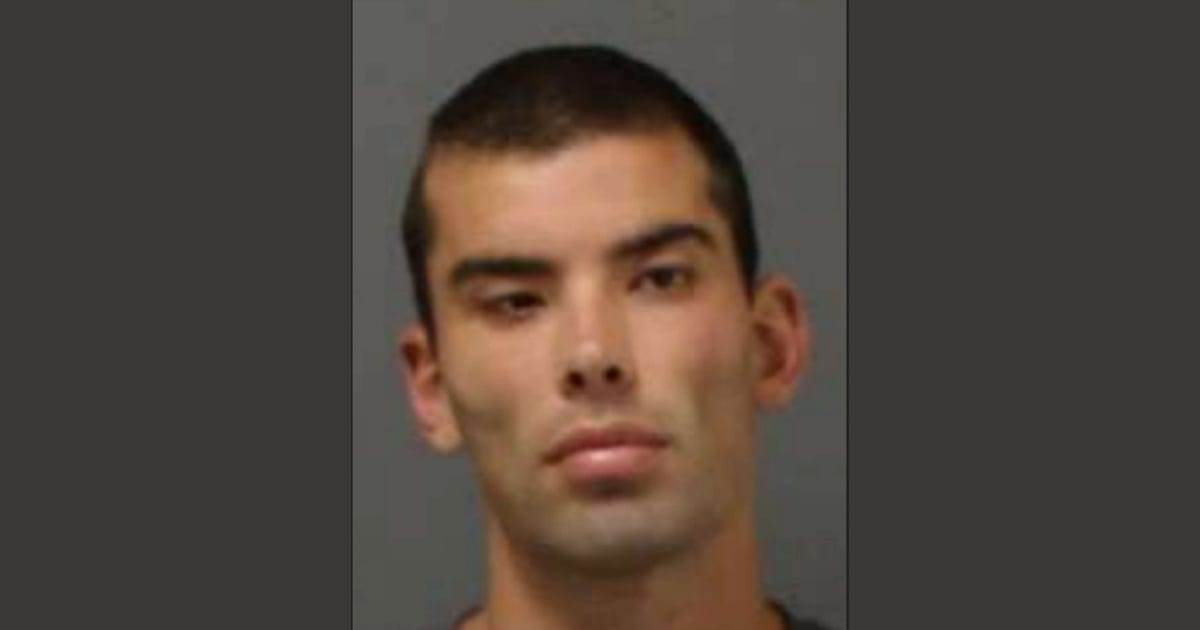
Senate Bill 157, introduced after Connecticut's child advocate found 'significant gaps' in oversight at Bethany's Parks and Recreation program, would require background checks and mandated reporter training for town-run youth programs.
Bethany Camp Abuse Case Drives Legislative Push for Child Safety Reforms
A 2024 sexual abuse case at a town-run youth program in Bethany has become the catalyst for a Connecticut legislative effort to close longstanding safety gaps at license-exempt youth camps -- including the absence of any requirement for background checks or mandatory reporter training.
On February 17, 2026, Connecticut's Office of the Child Advocate released a report identifying "significant gaps" in safety protocols for license-exempt child care settings and youth camps across the state. The report cited the Bethany case as a key example of how existing exemptions in state law leave children in municipal programs without the same protections guaranteed at licensed facilities.
The same day, the Connecticut General Assembly's Committee on Children held a public hearing on Senate Bill 157, which would require background checks for youth camp staff and designate them as mandated reporters of child abuse.
The Bethany Case
Anthony Mastrangelo, a Bethany Parks and Recreation employee who also worked in the town's public schools, was arrested in June 2024 and charged with multiple felonies including sexual contact with minors under 13, first-degree sexual assault, and risk of injury to a minor. The alleged abuse occurred at a town-run youth program.
Mastrangelo was first hired by Bethany Parks and Recreation in August 2015, when he was 16 years old. No background check was conducted at the time -- because under state law, municipal parks and recreation departments are exempt from licensing requirements that would mandate such checks.
The first complaint against Mastrangelo came in December 2022. Although the school superintendent removed him from the public school system at that point, he continued working in Parks and Recreation's after-school and summer programs for six more months, working with students in kindergarten through sixth grade.
His arrest in June 2024 came more than a year and a half after the first complaint.
Official Responses and Resignation
The case prompted an independent investigation into how Bethany officials handled the allegations. That investigation, completed in early 2025, concluded that the town failed in its oversight, training, and policy obligations. Bethany's first selectman resigned in June 2025 following the report's release.
Connecticut's Office of the Child Advocate called the absence of background checks at the program "egregious" in context, while noting that the program's practices were technically legal due to existing state law exemptions.
Senate Bill 157
State Sen. Jorge Cabrera (D-Hamden), whose district includes Bethany, has called for passage of SB 157, saying that making camp employees mandated reporters is "just basic common sense."
The bill would require background checks for workers at town-run youth programs and require them to report suspected child abuse to state authorities -- consistent with the standards already applied to licensed childcare facilities.
Shannon R. Lane, a Bethany resident and parent, submitted testimony in support of the bill. The Acting Child Advocate endorsed the legislation, emphasizing that licensure is the "gold standard" for child safety and that exemptions put children at serious risk.
Not all voices at the hearing were in support. Peter Leclerc, Director of Suffield Community Services, raised concerns about administrative burden, urging lawmakers to balance statewide safety standards with the practical realities facing small towns. Senate Bill 157 remains under consideration by the Committee on Children.
Why License-Exempt Programs Present Special Risks
Municipal parks and recreation departments, unlike private or nonprofit childcare operators, are not subject to Connecticut's licensing requirements for child care facilities. That exemption means they face no state mandate to conduct background checks on employees who work with children, and no requirement that staff receive training on recognizing and reporting signs of abuse.
The OCA report found that these gaps are not unique to Bethany. License-exempt settings across Connecticut operate without the safeguards that are standard at licensed programs, creating a patchwork of protection that advocates say leaves children in town-run programs more vulnerable.
The Bethany case has provided a public focal point for that argument: a man was hired without a background check, retained for months after a complaint, and continued working with young children in a government-run program.
Got a tip? Reach out to us at tips@thequinnipiacpost.com.
Never miss Bethany news
Free local news delivered to your inbox — no spam, unsubscribe anytime.