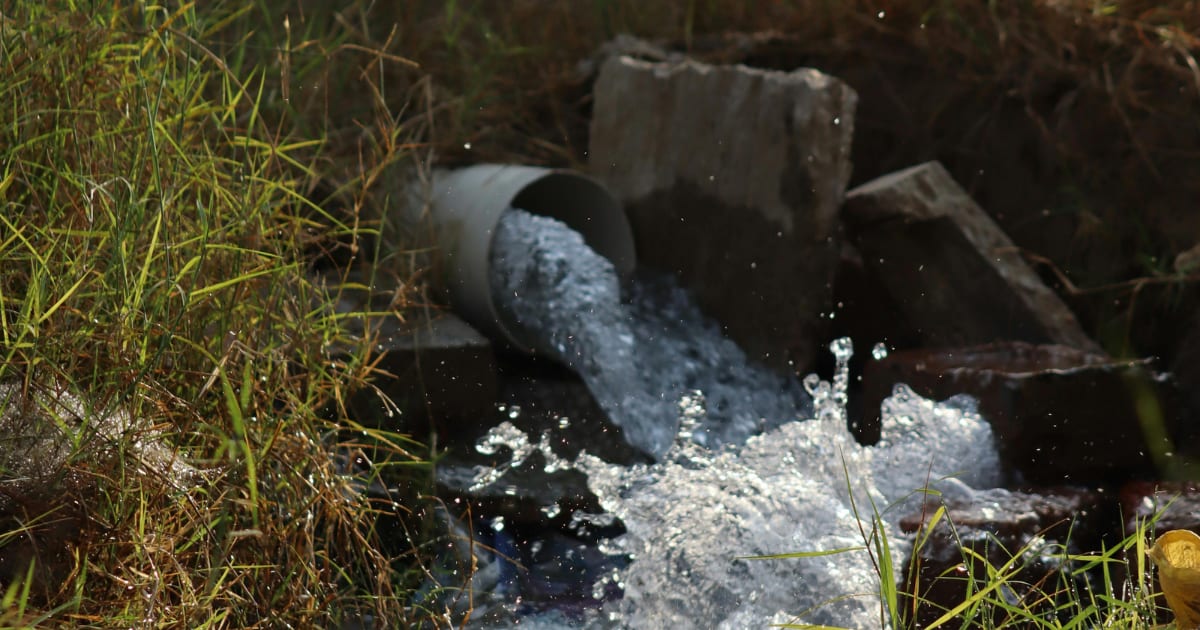
Reservoir levels dropped to 65% after a 13-inch annual rainfall deficit across the region
Aquarion Water Company issued a voluntary water conservation request on March 2, 2026, asking customers in Bridgeport and 12 other eastern Fairfield County towns to reduce non-essential water use after reservoir levels dropped to 65% of total system capacity.
The 65% threshold represents the first trigger level in Aquarion's drought response plan. No mandatory restrictions are currently in place, and the company is asking customers to voluntarily limit water-intensive activities while precipitation levels remain well below normal.
Bridgeport and Eastern Fairfield County Towns Affected
The request covers customers served by Aquarion's Eastern Fairfield County System, which includes Bridgeport, Bethel, Easton, Fairfield, Monroe, Newtown, Redding, Shelton, Stratford, Trumbull, Weston, Westport, and Wilton.
Aquarion's Eastern Fairfield County System is one of the utility's largest service areas, supplying water to hundreds of thousands of residents and businesses across the region. Bridgeport, the state's most populous city, is among the communities most directly affected by the conservation request.
13-Inch Rainfall Deficit Over the Past Year
The conservation appeal follows an extended period of below-average precipitation. Aquarion said reservoir levels in the Eastern Fairfield County System have dropped as a result of a deficit of more than 13 inches of rainfall accumulated over the past year.
Connecticut was experiencing conditions ranging from "abnormally dry" to "moderate drought" as of early March 2026. While recent snowfall provided some short-term relief, Aquarion said substantially more precipitation is needed to offset the ongoing deficit and return reservoir levels to normal capacity.
The drought conditions are part of a broader pattern affecting southern New England, where below-average precipitation has persisted through the winter months.
What Aquarion Is Asking Customers to Do
Aquarion urged customers to reduce non-essential outdoor water use, including limiting lawn irrigation, avoiding car washing, and cutting back on other activities that consume large volumes of water without essential need.
The utility also announced it is introducing its twice-weekly outdoor irrigation schedule to Eastern Fairfield County towns not already enrolled in the program. The schedule is designed to prevent overwatering while still meeting the needs of most residential landscapes. Aquarion credited the program with saving hundreds of millions of gallons of water annually across its service areas.
No penalties are associated with the voluntary request, and customers are not required to take any specific action. The company is asking for cooperation to help system reservoirs recover before conditions worsen.
Aquarion's Drought Response Plan
Aquarion maintains a tiered drought response plan that escalates from voluntary appeals to mandatory restrictions as reservoir levels decline further. The current request reflects the first stage of that plan, triggered at the 65% capacity threshold.
If reservoirs continue to drop, Aquarion may advance to a second stage, which typically involves more targeted restrictions on outdoor water use. Mandatory restrictions requiring customers to stop certain uses entirely are triggered at lower reservoir thresholds. Aquarion has not announced any timeline for possible escalation.
Drought response plans for utilities are filed with and monitored by the state Public Utilities Regulatory Authority, which oversees water companies operating in Connecticut.
Drought Conditions in Connecticut
Connecticut has experienced intermittent drought conditions in recent years, driven by shifts in precipitation patterns and increased water demand. The Connecticut Department of Energy and Environmental Protection monitors statewide drought conditions and coordinates with utilities and municipalities on response efforts.
Residents seeking updates on current drought status and conservation recommendations can monitor Aquarion's official website or communications from their town's public works department.
Got a tip? Reach out to us at tips@thequinnipiacpost.com.
Never miss Bridgeport news
Free local news delivered to your inbox — no spam, unsubscribe anytime.